When you’re juggling commitments across continents or even just coordinating a team spread from California to the Carolinas, the Dallas/Fort Worth metropolitan area often serves as a crucial transit point, a major business hub, or both. Mastering Planning Travel & Communication Across DFW Time Zones isn't just about knowing departure gates; it's about orchestrating seamless connections, whether you're navigating the sprawling DFW International Airport or ensuring your critical meeting agenda lands at the right digital doorstep at the right time.
It's a dance between logistical precision and temporal awareness, where a missed connection or a misinterpreted meeting time can derail an entire project. But with the right strategies, you can transform these potential headaches into smooth, stress-free experiences.
At a Glance: Your Blueprint for DFW Travel & Time Zone Success
- DFW Airport Savvy: Familiarize yourself with DFW's five terminals (A-E) and the Skylink train to avoid last-minute panic.
- Ground Transport Pro: Book reliable shuttle services like Texas Shuttle in advance, accounting for unpredictable Dallas traffic.
- Security Smarts: Arrive 2 hours for domestic, 3 hours for international flights. Pack essentials in your carry-on.
- Time Zone Core: Understand Dallas operates on Central Time (CT). This is your anchor for all communication.
- Asynchronous First: Prioritize tools like Google Calendar, Slack, or Microsoft Teams for flexible communication that respects diverse schedules.
- Strategic Sync-Ups: Designate "overlap hours" and implement "time-zone rotation" for fairness in real-time meetings.
- Clarity is King: Always confirm time zones, state availability clearly, and use a 24-hour clock for universal understanding.
- Document Everything: Leverage internal digital documentation and project management software for continuous updates.
The DFW Double Whammy: Why Planning is Paramount
Dallas/Fort Worth International Airport (DFW) isn't just one of the busiest airports in the U.S.; it’s a colossal nexus, connecting nearly 200 domestic and international destinations. Its sheer scale, combined with the complexities of coordinating schedules across varying time zones, presents a unique challenge for travelers and remote teams alike. From securing a timely ride to making sure your quarterly report discussion accommodates team members in different time zones, meticulous planning isn't just helpful—it’s essential for efficiency, productivity, and peace of mind.
This guide is designed to empower you with the insights and tools to navigate both DFW's physical expanse and the temporal gaps that can complicate modern work.
Dallas/Fort Worth: A Major Hub with Unique Demands
DFW's status as a major international gateway means it’s a constant churn of arrivals and departures. You might be flying into DFW for a critical in-person meeting, connecting through it on a multi-leg journey, or managing a team where some members are based in Dallas while others are elsewhere. Each scenario presents distinct planning requirements. On one hand, you need to understand the airport's layout, transportation options, and security protocols. On the other, you must master the art of asynchronous and synchronous communication that effectively bridges the geographical distances and time zone differences.
Navigating DFW Airport Like a Pro
Your journey through DFW begins long before you step foot on a plane. Understanding the airport's intricacies can turn a potentially stressful experience into a smooth transition.
Mastering the Lay of the Land
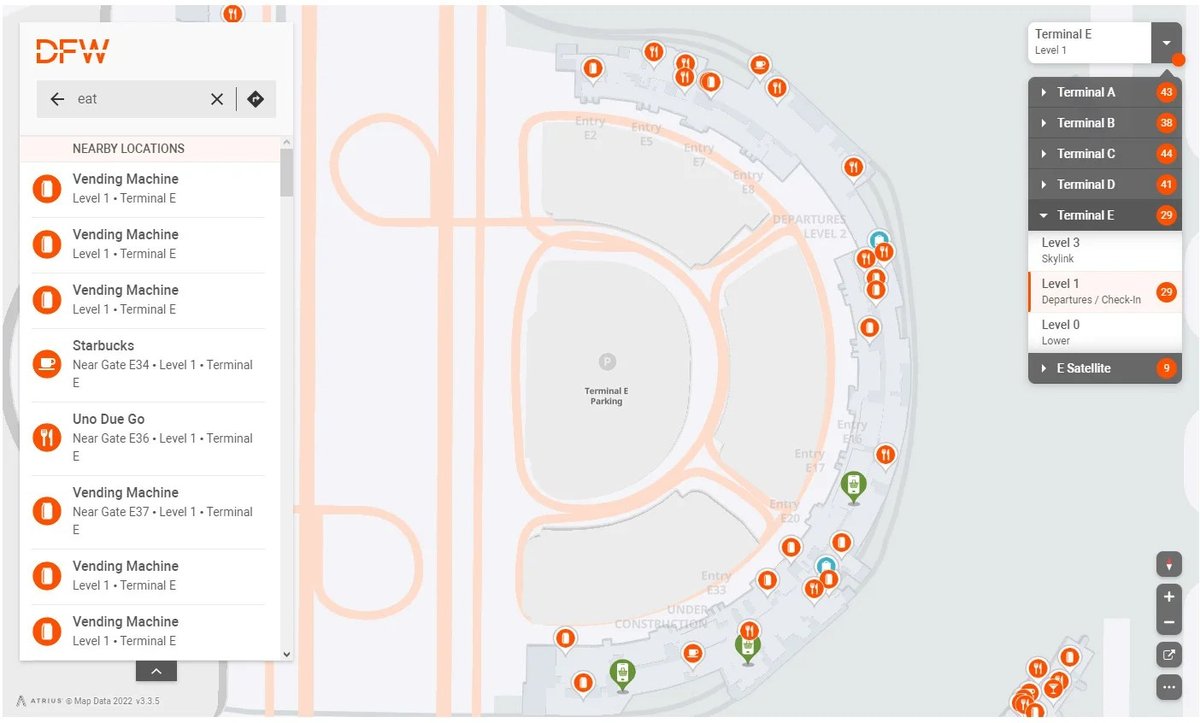
DFW is massive, spanning five terminals (A-E). Don't let its size intimidate you.
- Confirm Your Terminal: Always confirm your departure and arrival terminals well in advance. Airlines often operate out of specific terminals, but this can change. Knowing your terminal streamlines check-in, baggage claim, and connection planning.
- Skylink for Speed: The Skylink is your best friend for inter-terminal travel. This airside (post-security) train connects all five terminals quickly and efficiently. If you have a connection, factor in the time to get from one gate to another via Skylink, though it's remarkably fast.
- Terminal Amenities: Each terminal offers dining, shopping, and services. Terminal D, in particular, is known for its international flights and broader range of amenities, including Pappadeaux Seafood Kitchen and Hard Rock Cafe. Take advantage of free Wi-Fi throughout the airport to catch up on emails or notify your ground transport of any changes.
Getting There & Away: Ground Transportation Strategies
One of the biggest variables in DFW travel is often the journey to and from the airport. Dallas traffic can be unpredictable, making pre-booked, reliable transport invaluable.
- Book Transportation Early: Don't rely solely on last-minute ride-hailing apps, especially during peak hours or for critical appointments. Services like Texas Shuttle allow you to book in advance, guaranteeing prompt pickups and consistent rates. This foresight prevents surge pricing surprises and ensures a ride is waiting.
- Shared vs. Private Shuttles:
- Shared Shuttles: These are cost-effective and eco-friendly, ideal for solo travelers or those not on a tight schedule.
- Private Rides: Perfect for families, business travelers needing privacy for calls, or anyone with a strict timeline. They offer door-to-door service and flexibility.
- DFW Traffic Realities: Dallas traffic is a beast, particularly during rush hours (roughly 7-9 AM and 4-6 PM on weekdays). Always factor in extra buffer time. Experienced shuttle drivers will know the best routes to mitigate delays, but even they can't magically make traffic disappear. Communicate your flight schedule clearly so your driver can plan accordingly.
Streamlining Your Airport Experience
A few smart habits can significantly reduce airport stress.
- Security & Check-in Timelines: The golden rule: 3 hours for international flights and 2 hours for domestic flights. This allows ample time for check-in, bag drop, and navigating security lines, especially at a busy hub like DFW. Always adhere to TSA guidelines for carry-on liquids and prohibited items.
- Packing Smart for Smooth Sailing: Pack light if possible. Keep important documents (ID, passport, boarding pass), medications, and valuables in your carry-on. This not only speeds up baggage claim but also provides peace of mind in case checked luggage is delayed.
- On-site Amenities & Comfort: DFW offers various lounges (airline-specific, Priority Pass, etc.) where you can relax, work, or grab a bite away from the crowds. Many also have showers and dedicated workspaces. Check if your credit card or airline status grants you access.
International Travel Specifics
For international travelers, DFW is a common port of entry and departure.
- Passports & Customs: Have your passport and customs forms readily available. Consider using Mobile Passport Control (MPC) if eligible, to expedite the process upon arrival.
- Consulate & Hotel Services: If your international travel involves consulate visits or specific hotel drop-offs, services like Texas Shuttle can provide reliable door-to-door service, ensuring you reach your destination without added logistical stress.
- Real-Time Flight Tracking: Stay updated on your flight status. Many shuttle providers, like Texas Shuttle, monitor flights in real-time, but it's always good practice to keep them informed of any significant delays or changes yourself.
Conquering the Clock: Bridging Time Zones for Seamless Communication
Beyond airport logistics, the other half of effective planning revolves around bridging time zone differences for communication, whether you’re coordinating a multi-national project or simply scheduling a team check-in. Dallas operates on Central Time (CT), which becomes your reference point.
Understanding the Challenge: Dallas's Central Time (CT)
Dallas, like much of Texas, observes Central Time (CT). This means it's one hour ahead of Mountain Time (MT), two hours ahead of Pacific Time (PT), and one hour behind Eastern Time (ET). For international collaboration, the differences are even more significant. Knowing the Current time in Dallas Fort Worth is your first step in any cross-time zone interaction.
The core challenge isn't just the difference, but the limited overlap in traditional working hours. For example, a 9 AM meeting in Dallas is 7 AM in Los Angeles and 10 AM in New York. If you're coordinating with Europe or Asia, these windows shrink dramatically.
The Asynchronous Advantage: Tools & Strategies
The most effective strategy for managing time zone differences is to lean heavily on asynchronous communication. This means exchanging information without requiring immediate, real-time responses.
- Smart Scheduling with Automatic Adjustments:
- Google Calendar & Microsoft Outlook: These platforms are indispensable. When creating a meeting invite, always include the time zone. These tools automatically adjust the meeting time for recipients based on their local settings, significantly reducing confusion. Encourage everyone to keep their calendar time zones updated.
- Designated Communication Windows: Establish "client-centric" communication windows if you're serving clients across zones. Otherwise, identify internal "core hours" that everyone tries to be generally available.
- Continuous Collaboration: Messaging & Project Management Platforms:
- Slack or Microsoft Teams: These platforms facilitate ongoing conversations and updates. Teams can post questions, share progress, and provide feedback at their convenience, enabling a near 24-hour work cycle without demanding real-time presence. Use threads to keep conversations organized.
- Project Management Software: Tools like Asana, Trello, Jira, or Monday.com (which often include scheduling apps and collaborative features) are vital. They allow teams to track tasks, deadlines, and progress, with updates visible to everyone regardless of their working hours. This reduces the need for constant sync-ups.
- Document Everything: Digital Knowledge Bases:
- Robust Internal Digital Documentation: Make decisions, project requirements, and standard operating procedures accessible via shared documents (Google Docs, SharePoint, Confluence). This minimizes redundant questions and ensures everyone has the necessary context, empowering independent work.
Synchronous Success: Making Real-Time Count
While asynchronous communication is key, some conversations necessitate real-time interaction. When you do schedule live meetings, make them count.
- The "Overlap Hour" & Fair Rotation:
- Designate an Overlap Hour: Identify a recurring 60-90 minute window that falls within reasonable working hours for all participants. This becomes the primary time for crucial real-time discussions.
- Time-Zone Rotation: For teams spread across many zones, implement a system where meeting times rotate. This ensures that no single individual or region is consistently burdened with early mornings or late evenings. For example, one week the meeting might be optimized for ET, the next for PT.
- Clear Agendas & Pre-Reading:
- Distribute Agendas: Always send a clear, concise agenda well in advance. This allows participants to prepare, gather their thoughts, and come ready to contribute.
- Pre-Reading: For complex topics, provide pre-reading materials. This ensures discussion time is spent on decision-making and problem-solving, not on disseminating basic information.
- Confirming Time Zones & Availability:
- Proactive Communication: Before scheduling, proactively confirm participants' local time zones and their general availability. A quick poll using tools like Doodle or Calendly can identify the most convenient meeting times for everyone.
- Communicate Availability: Encourage team members to clearly state their preferred working hours and availability in their calendar status or team messaging profiles.
- Daily Video Syncs (Brief): For tightly integrated teams, 30-minute daily video syncs can be effective, provided they are structured and purposeful. The goal is quick alignment, not lengthy discussion.
Standardizing Time: The 24-Hour Clock
To eliminate ambiguity, especially with international teams, adopt the 24-hour clock (military time) as a standard for all scheduled communications.
- "14:00 CT" is far less ambiguous than "2 PM CT," which can sometimes be confused with 2 AM. Consistency reduces errors.
Leveraging Specific Tools for Time Zone Coordination
Beyond general communication platforms, specialized tools can further smooth out time zone challenges:
- Doodle & Calendly: As mentioned, these are excellent for polling participants to find mutually convenient meeting times across time zones.
- Time Zone Converters: Simple online tools or mobile apps allow you to quickly convert times between different cities, ensuring you're always aligned.
- Galarm: For teams needing synchronized actions or reminders, apps like Galarm can set peer alarms that adjust seamlessly for different time zones, ensuring everyone gets a timely notification.
Putting It All Together: A DFW Travel & Communication Checklist
Effective planning requires a systematic approach. Here’s a consolidated checklist to guide your DFW travel and communication endeavors.
Before You Book: The Initial Planning Phase
- Define Your Purpose: Are you traveling to DFW, through it, or managing a team with DFW-based members? This clarifies priorities.
- Assess Time Zone Impact: For meetings, identify all participating time zones. For travel, understand DFW's CT relative to your origin and destination.
- Research Airport Details: Check your airline's DFW terminal, gate information (if available), and potential connection times.
- Ground Transport Strategy: Pre-book your airport shuttle or private car, considering Dallas traffic patterns and your schedule. Compare rates and reliability.
- Communication Plan Draft: Outline key asynchronous and synchronous communication needs. Identify the best tools for each.
Before Your Flight: Pre-Departure Must-Dos
- Confirm All Bookings: Double-check flight times, terminal info, and ground transportation reservations.
- Pack Smart: Essential documents, medications, and valuables in your carry-on. Ensure you meet TSA liquid requirements.
- Notify Stakeholders: Inform your team, clients, or family of your travel plans and expected communication availability.
- Update Your Calendar/Status: Reflect your travel days and potential limited availability in your digital calendar and team communication apps.
- Download Essential Apps: Flight tracking, DFW airport app, ride-hailing apps (as backup), and time zone converters.
- Charge Devices: Ensure all your devices are fully charged for the journey.
During Your Trip: Staying Connected on the Go
- Track Your Flight: Use real-time flight tracking to stay ahead of delays and inform your shuttle provider.
- Utilize Airport Wi-Fi: Take advantage of DFW's free Wi-Fi for quick check-ins and urgent communications.
- Respect "Off-Hours": While traveling, try to respect your own and your team's designated "off-hours" for communication, especially across time zones. Leverage asynchronous tools.
- Be Proactive with Updates: If your plans change (e.g., flight delay affecting a meeting), communicate immediately and clearly, stating the new time in the relevant time zones.
Common Pitfalls to Avoid
- Assuming Time Zones: Never assume someone knows what "2 PM" means without specifying the time zone. Always append "CT," "ET," etc., or better yet, use the 24-hour clock.
- Over-reliance on Synchronous Meetings: Don't schedule a live meeting if an email, shared document, or asynchronous chat can achieve the same goal.
- Ignoring Dallas Traffic: Underestimating travel time to/from DFW can lead to missed flights or important appointments.
- Last-Minute Ground Transport: Relying on on-demand services during peak times can result in long waits or exorbitant fares.
- Unclear Communication: Ambiguity in meeting agendas, task assignments, or deadlines is amplified across time zones. Be explicit.
Beyond the Trip: Building a Culture of Time-Zone Savvy Communication
Ultimately, successful Planning Travel & Communication Across DFW Time Zones isn't just about individual trips or meetings; it’s about cultivating a communication culture that inherently understands and respects temporal diversity. Empower your teams with the right tools, establish clear protocols, and foster an environment where flexibility and empathy are prioritized.
By integrating the practicalities of DFW airport navigation with intelligent time zone management strategies, you're not just surviving the complexities of modern travel and work—you're mastering them. The result is less stress, more efficiency, and a truly connected experience, no matter where your team members or travel plans take you within the DFW orbit and beyond.