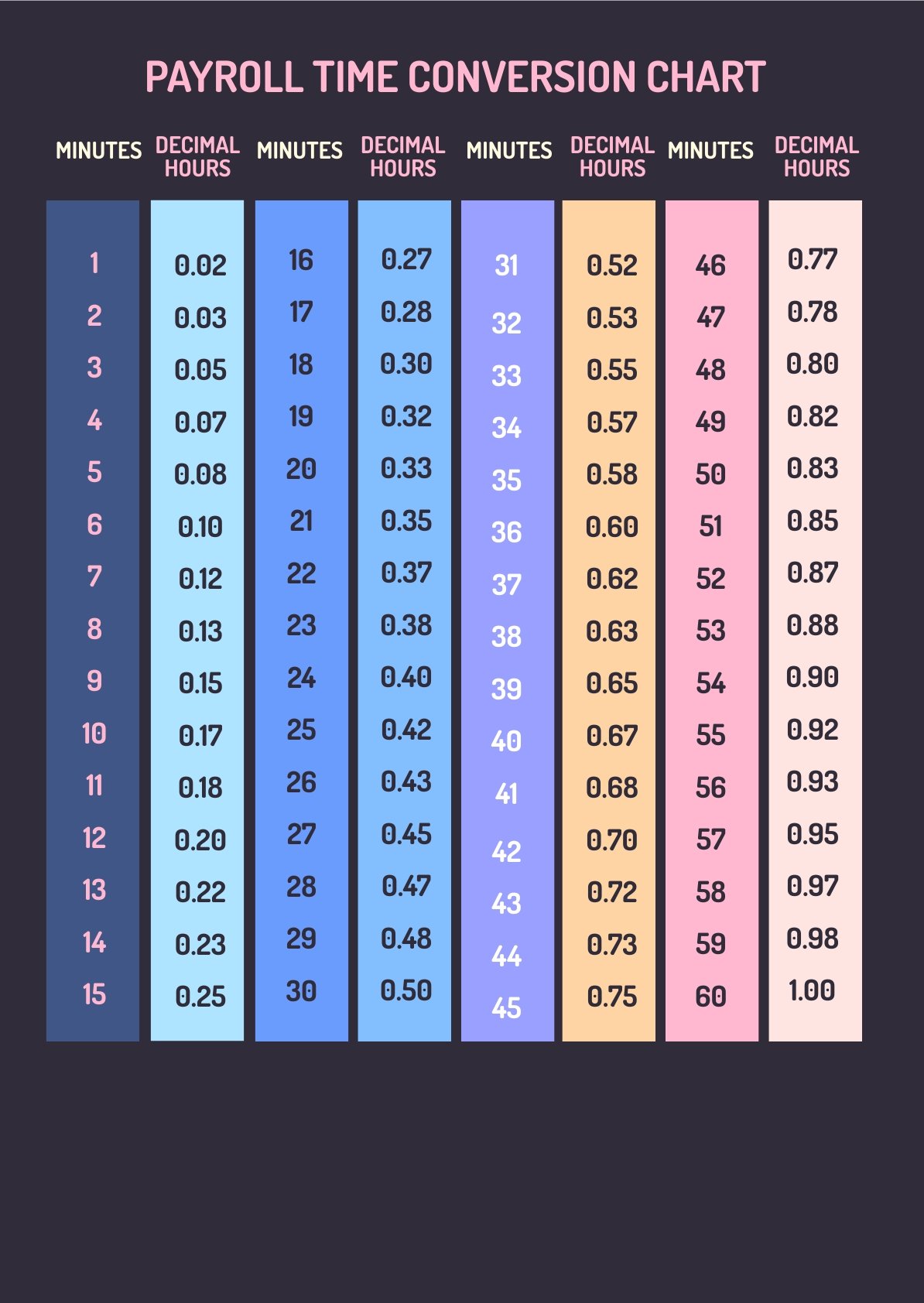
For anyone delving into the intricacies of travel, business, or simply connecting with friends and family across different locales, understanding time conversion is paramount. So, when you look for "Tools & Resources for Dallas Fort Worth Time Conversion," you might expect a comprehensive guide to navigating a complex time difference. But here’s the unexpected revelation: for Dallas and Fort Worth, those tools are remarkably simple. In fact, they mostly involve understanding a shared reality: there is no time difference between these two iconic Texas cities.
Yes, you read that right. Despite their distinct identities and the sheer scale of the DFW Metroplex, Dallas and Fort Worth operate on precisely the same clock. They are both firmly rooted in the Central Time Zone (CT), observing Daylight Saving Time in unison. This means any "conversion" between them is, quite literally, adding zero seconds.
At a Glance: The DFW Time Truth
Before we dive into why this is often a point of confusion and what tools are genuinely useful for time management beyond the Metroplex, here’s a quick rundown of the essential facts about Dallas and Fort Worth time:
- No Time Difference: Dallas and Fort Worth share the exact same local time.
- Shared Time Zone: Both cities are in the Central Time Zone (CT).
- Daylight Saving Time: The entire DFW Metroplex observes Daylight Saving Time, switching to Central Daylight Time (CDT) in the spring and back to Central Standard Time (CST) in the fall.
- No Conversion Needed: When planning between Dallas and Fort Worth, you don't need any special conversion tools—just look at your watch!
Why the Confusion? Untangling the DFW Time Myth
It's a common assumption that two major cities, especially ones so prominent and distinct in their cultures and economies, might have different time zones. We've all seen maps where state lines or large geographical features dictate time zone boundaries. The sheer size of the Dallas-Fort Worth metroplex, often referred to as DFW, might further fuel this perception, leading people to actively search for "Tools & Resources for Dallas Fort Worth Time Conversion."
However, Texas, as a whole, largely sits within a single time zone. While El Paso and Hudspeth counties in far West Texas observe Mountain Time, the vast majority of the state, including the entire DFW region, adheres to Central Time. The close proximity and continuous urban sprawl between Dallas and Fort Worth simply reinforce their shared temporal reality. Think of it less as two distinct entities needing conversion and more as different neighborhoods within the same time-bound community.
The Unofficial DFW Time Conversion Tool: Your Brain (and a Map)
Given the lack of a time difference, the most effective "tool" for Dallas-Fort Worth time conversion is simply knowing this fact. You don't need an app, a website, or a complex formula. You just need to understand that when it's 10:00 AM in Dallas, it's also 10:00 AM in Fort Worth.
The Central Time Zone, also known as CT, is one of the six standard time zones in the United States and Canada. It is typically six hours behind Coordinated Universal Time (UTC-6) during Central Standard Time (CST) and five hours behind (UTC-5) during Central Daylight Time (CDT). Both Dallas and Fort Worth consistently follow this pattern. This unified approach makes navigating local schedules, whether for a flight out of DFW International Airport or a dinner reservation in the Stockyards, wonderfully straightforward.
For a quick check of the definitive time, you can always refer to reliable online sources. Knowing the Current time in Dallas Fort Worth is as simple as a quick search, and it will apply to both cities equally.
Navigating Time Zones: What You Really Need Tools For (Beyond DFW)
While time conversion between Dallas and Fort Worth is a non-issue, the need for robust time zone tools certainly isn't. The real challenge arises when you're communicating, collaborating, or traveling outside the DFW Metroplex. This is where your quest for effective "Tools & Resources" truly pays off.
Consider these common scenarios where actual time conversion becomes essential:
- Interstate Business Calls: If your Dallas-based team needs to conference with colleagues in New York (Eastern Time) or Los Angeles (Pacific Time), understanding the time difference is critical for scheduling.
- International Travel: Planning an itinerary from DFW to London or Tokyo requires careful attention to UTC offsets and local time adjustments to avoid missed connections or appointments.
- Connecting with Loved Ones: Calling family in different parts of the country or the world means knowing when they're likely to be awake, or when you might accidentally interrupt their dinner.
- Online Events and Webinars: Many virtual events are broadcast from various time zones, making a quick conversion necessary to ensure you don't miss the start time.
For these situations, a host of excellent resources and tools are readily available, helping you bridge those temporal gaps with ease.
Essential Time Conversion Tools & Resources (For Everywhere Else)
When your reach extends beyond the Dallas-Fort Worth city limits, these are the digital allies you'll want in your time management toolkit:
1. Online World Clocks & Converters
These web-based platforms are often the first stop for quick and accurate time zone comparisons. They're designed to be intuitive, allowing you to input multiple cities and instantly see their current times and differences.
- WorldTimeBuddy.com: This is a fan favorite for its clean interface and ability to compare multiple locations on a timeline. It's excellent for finding overlapping "sweet spots" for international meetings. You can input Dallas/Fort Worth and quickly see its time relative to London, Sydney, or any other city.
- TimeAndDate.com: A comprehensive resource that offers not only world clocks and converters but also detailed information on Daylight Saving Time rules, sunrise/sunset times, and even historical time data. Its "Meeting Planner" tool is invaluable for scheduling.
- 24timezones.com: This site, which explicitly confirms the Dallas-Fort Worth time parity, is also a robust general-purpose converter. It provides clear tables showing time differences between virtually any two global locations.
How to Use Them: Typically, you'll enter "Dallas" or "Fort Worth" as your base city (though you could use any city in the Central Time Zone, like Houston or Chicago), then add the target city (e.g., "New York," "London," "Tokyo"). The tool instantly calculates the time difference and displays the current local time in each location, often adjusting for Daylight Saving Time automatically.
2. Smartphone Apps: Your Pocket Time Navigator
Your smartphone is already a powerful device, and its native clock app often includes excellent world clock features. Beyond that, many third-party apps specialize in time zone management.
- Native Clock Apps (iOS/Android): Both Apple and Android devices have built-in "World Clock" features. You can add multiple cities to a list, and they'll display the current time, often indicating the time difference relative to your current location (e.g., "+2 hours," "-1 hour").
- Third-Party Time Zone Converters: Apps like "Time Zones" or "World Clock Widget" offer more specialized functions, such as widgets for your home screen, automatic DST reminders, and even integrated meeting planners.
Benefits: Portability, instant access, and the ability to set alarms or push notifications for events in different time zones.
3. Operating System Clocks: Desktop Convenience
For those working primarily from a computer, your operating system offers built-in ways to keep an eye on multiple time zones.
- Windows: You can add additional clocks to your taskbar's clock display. Right-click the clock, go to "Adjust date and time," then "Add clocks for different time zones." This allows you to quickly see the time in two or three other locations alongside your DFW local time.
- macOS: The "Date & Time" preferences allow you to add multiple time zones to your Notification Center's "World Clock" widget or even to your menu bar.
Benefits: Quick glance without opening a browser, integrates seamlessly into your daily workflow.
4. Meeting Schedulers with Time Zone Awareness
For business professionals, tools designed specifically for meeting coordination across time zones are indispensable.
- Calendly, Doodle, Outlook/Google Calendar: These popular scheduling platforms often have built-in time zone features. When you set up a meeting, you input the time in your local DFW time zone, and the invitation automatically converts it for attendees in other zones. This eliminates human error and back-and-forth emails.
Benefits: Drastically simplifies the process of finding mutually convenient times, especially for global teams.
A Deeper Dive: How Time Zones Work (Briefly)
Understanding why these tools are effective, and why Dallas and Fort Worth share a time zone, requires a quick peek behind the curtain of global timekeeping.
The world is divided into 24 primary time zones, roughly corresponding to 15-degree longitudinal slices. These zones are referenced against Coordinated Universal Time (UTC), the primary time standard by which the world regulates clocks and time. Time zones are expressed as "offsets" from UTC.
- Central Standard Time (CST) is UTC-6, meaning it is 6 hours behind UTC.
- Central Daylight Time (CDT) is UTC-5, meaning it is 5 hours behind UTC.
Dallas and Fort Worth, like most of Texas, fall squarely within the geographical boundaries designated for the Central Time Zone. The observance of Daylight Saving Time, which typically involves "springing forward" an hour in March and "falling back" an hour in November, applies uniformly across the entire zone. This ensures that the DFW Metroplex maintains a consistent offset from UTC throughout the year, whether in standard or daylight saving mode.
DFW Travel & Business: Time Zone Considerations (Within and Beyond)
For anyone conducting business or planning travel within the Dallas-Fort Worth area, the time zone consistency is a huge advantage. There's no need to worry about adjusting your watch when driving from Dallas Love Field to a meeting in downtown Fort Worth, or when flying into DFW International Airport and heading to Arlington. Your travel tips for Dallas-Fort Worth can focus on logistics, not time conversion.
However, as soon as your journey or communication extends beyond the Central Time Zone, the tools discussed above become your best friends. Imagine a connecting flight from DFW to Miami. While both cities are in the US, Miami is on Eastern Time (ET), which is an hour ahead of DFW. A flight departing DFW at 9:00 AM CT will land in Miami, say, at 1:00 PM ET, meaning the total travel time might appear shorter on paper than it actually is if you don't account for the time zone shift.
For businesses, seamless integration of time zone awareness is a cornerstone of global operations. A company with its headquarters in Dallas might have manufacturing in Shanghai (UTC+8) and sales teams in London (UTC+0/UTC+1). Understanding these time differences isn't just about avoiding late calls; it's about optimizing productivity, fostering international collaboration, and demonstrating respect for global partners.
Common Questions & Misconceptions About DFW Time
Even with the clear message, certain questions and misconceptions tend to resurface. Let's tackle them head-on to solidify your understanding:
- "Is Fort Worth an hour behind Dallas?"
- No, definitively not. Both cities are in the Central Time Zone and share the exact same time.
- "Does the DFW Metroplex observe Daylight Saving Time?"
- Yes, it does. The entire region switches between Central Standard Time (CST) and Central Daylight Time (CDT) in sync with the rest of the Central Time Zone.
- "What time zone is Dallas/Fort Worth in?"
- They are both in the Central Time Zone (CT).
- "How far apart are Dallas and Fort Worth in time?"
- There is zero difference in time between Dallas and Fort Worth.
Beyond the Clock: Why Understanding Time Zones Matters
While the Dallas-Fort Worth time conversion scenario is wonderfully straightforward, the broader principles of time zone awareness are critical in our increasingly interconnected world. Mastering these concepts and knowing when to deploy the right tools prevents:
- Missed Opportunities: Showing up late (or terribly early) for a virtual interview with a company across the country.
- Communication Gaps: Calling a client or colleague at 3 AM their local time, leading to frustration.
- Travel Headaches: Miscalculating arrival times for international flights or hotel check-ins.
- Business Inefficiency: Submitting projects late or failing to coordinate teams effectively across regions.
Understanding time zones isn't just about reading a clock; it's about respecting global schedules, enhancing productivity, and fostering smoother communication, whether you're dealing with Dallas City Council meetings or a global corporate strategy session.
Your Action Plan for Seamless Time Management (Regardless of Location)
So, what's your takeaway from this deep dive into Dallas-Fort Worth time conversion?
- Relax about DFW: You don't need any special tools for time conversion between Dallas and Fort Worth. Your local clock is always accurate for both.
- Verify for External Engagements: Always confirm the time zone for any event, meeting, or travel outside of the DFW Metroplex. Assume nothing.
- Leverage Online Converters & Apps: For anything beyond Central Time, make use of reliable online world clocks (WorldTimeBuddy, TimeAndDate) or your smartphone's world clock features.
- Embrace Meeting Schedulers: If you frequently coordinate with people in different time zones, use scheduling tools that handle conversions automatically.
- Stay Informed on DST: Be aware of when Daylight Saving Time begins and ends in your location and any other relevant time zones, as this can shift the offset by an hour.
The simplicity of time in Dallas and Fort Worth is a minor luxury in a complex world. By understanding this fact, and by equipping yourself with the right tools for other time zone challenges, you'll navigate global schedules with confidence and precision.